Posts

Showing posts with the label Gut Health

5 Natural Ways to Deal with Bloating

Image
Do you ever feel a bit “overextended” in the belly after a meal? Perhaps “gassy?” Have you ever carried a “food baby?” Well, bloating is common. Up to 25-30% of people experience it regularly. It happens when you have trouble digesting. The symptoms come from excess gas, reactions to foods, or food not moving through you as well as it could. There are many reasons you might experience these symptoms. Maybe because of a serious condition (disease), or a food allergy or intolerance (what you eat). It can also result from how you eat. If you have a serious digestive issue like IBS (Irritable Bowel Syndrome), then make sure you eat accordingly. Same goes if you know certain foods give you gas. Simply avoid them. If you’re already doing those things, and still experience bloating, here are some great tips for dealing with it naturally. 1 - Don’t overeat If you overeat at a meal, then you’ll feel bigger around the mid-section. You’ll feel ...

Salt: The Delicious Health-Buster (And What to Use Instead)

Image
Salt: The Delicious Health-Buster (And What to Use Instead) Yes, there are lots of different kinds of salt: pink, iodized, kosher, sea, etc. They come from salt mines in the ground, or from evaporating the water out of salt water. What they all have in common is that infamous mineral that I’m going to talk about below: sodium. In food, salt is used for both flavor, and as a preservative. Salt helps to preserve food by drawing out the water that bacteria and mold need to grow. Hence, preserving the food from spoiling as quickly. Would you be surprised to know that 75% of our salt intake comes not from the salt shaker? It comes from processed foods. Snacks like chips, pretzels and salted nuts are included here. But so are canned foods, pickled foods, boxed foods, deli meats, restaurant food, and fast food. Salt vs. Sodium Salt is actually "sodium chloride." It's about 40% sodium and 60% chloride; this means that one teaspoon of salt (5,000 mg) con...

Keto 101

Image
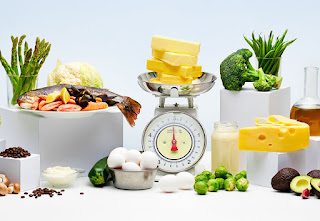
The ketogenic diet is a very low carb, very high-fat diet. It has recently gained a lot of popularity in the wellness sphere because of some of its health benefits. A ketogenic diet has been shown to help some people lose weight (yes, even with high fat). It can also help improve certain health conditions, like epilepsy in children. Read on for some of the lowdown on how it reprograms your metabolism (for “ketosis”), and whether or not it’s something for you to consider. What is “ketosis?” Carbs (sugars & starches) are the preferred fuel for your brain and muscles. They use carbs first, whenever they’re available. This is why maintaining stable blood sugar can affect your attention, mood, and energy level. However, when very low amounts of carbs are available for fuel, your body starts making compounds known as “ketones.” These are your body’s “backup fuel.” And your body makes them from fat. Ketogenic literally means “the generation of ketones...

Food Preservatives

A food preservative is a substance added to foods to make them last longer; to "preserve" them. Preservatives are added to foods that go bad quickly and have found themselves in all kinds of products in our grocery stores.  Preservatives work to preserve food in a few different ways. Some prevent the growth of bacteria and mold. Others prevent delicate fats from going rancid. There are so many preservatives out there. While preservatives added to foods should be “approved,” this doesn’t mean they’re guaranteed to be safe for everyone always. And it doesn’t mean that the food is healthy.  Foods with preservatives are more-processed, less-nutritious foods to begin with - not exactly health foods. So, even if you don’t mind preservatives, you probably should cut down on these kinds of foods, anyway. So, let’s learn more about a few common food preservatives.  Salt That’s right - salt.  FUN FACT: The term “salary” is from the Latin word for salt. It’s thou...

How to Naturally Lower Stress Hormone (Cortisol)

Image
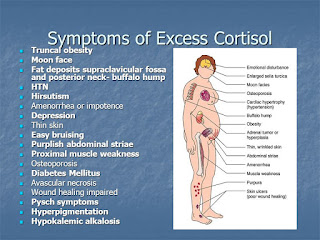
STRESS!!! Its causes are absolutely everywhere. Would you agree? Our natural “fight or flight” stress response can sometimes go a little overboard. It’s supposed to help us escape injury or death in an emergency and then return to normal after we’ve fought or flew. But, that doesn’t happen too much in our society - it becomes a long-term reaction. It becomes chronic. You’ve probably heard of the main stress hormone, called “cortisol.”  It’s released from your adrenal glands in response to stress. It’s also naturally high in the morning to get you going, and slowly fades during the day so you can sleep. Did you know that too-high levels of cortisol are associated with belly fat, poor sleep, brain fog, high blood pressure, high blood sugar, and even lowers your immunity?  Do you experience any of these? Well, then read on because I have a list of foods, nutrients and lifestyle recommendations to help you lower this stress hormone naturally! Foods and nutrients to ...

Why is my Metabolism Slow

Image
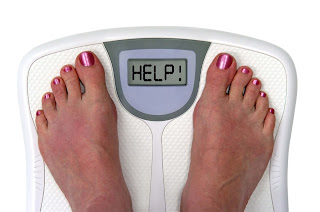
Why is My Metabolism Slow? You may feel tired, cold or that you've gained weight.  Maybe your digestion seems a bit more “sluggish”. You may be convinced that your metabolism is slow. Why does this happen?  Why do metabolic rates slow down? What can slow my metabolism? Metabolism includes all of the biochemical reactions in your body that use nutrients and oxygen to create energy.  And there are lots of factors that affect how quickly (or slowly) it works, i.e. your “metabolic rate” (which is measured in calories). But don't worry – we know that metabolic rate is much more complicated than the old adage “calories in calories out”!  In fact it's so complicated I'm only going to list a few of the common things that can slow it down. Examples of common reasons why metabolic rates can slow down: ●      low thyroid hormone ●      your history of dieting ●      your size and...

Heartburn - Can I Help it with Foods and Lifestyle?

Image
The odds are that you or someone you know experiences heartburn. Around half of North American adults experience it at least once per month. Somewhere between 10-20% have it at least once per week!Heartburn, also known as reflux, occurs when the strong acid in your stomach creeps up into your esophagus. It can feel like a burning sensation; hence the name "heartburn." Other common symptoms include bloating, burping, difficulty swallowing, or a sore throat. Often there is a bitter or sour taste as well.Don't get me wrong, stomach acid is good! Stomach acid is essential for good health and optimal digestion. We need the acid in our stomach to protect us against harmful microbes (i.e. bacteria) that lurk in our food and drinks. Stomach acid also helps us break down our food, and digest nutrients. But we need that acid to stay in the stomach, and not get up to our esophagus! Stomach acid doesn't usually burn the stomach itself; this is because the s...

The Real Deal About Artificial Flavors

Image
Let me ask you this: Have you looked at the ingredients on a food label lately? How about a “processed” food label; like famous brands of cookies, cereals, or junky snack foods? Do you have those ingredients in your house? Do you even know what all of those ingredients are? There are a ton of artificial, chemical, "junky" ingredients in foods these days.  If you see an ingredient called "artificial flavor," what exactly is it? For the most part, it’s a secret! Seriously! Big food companies don’t want their proprietary flavors to be known, so they’re allowed to say “artificial flavor” and leave the details out. That alone gets me upset. But what makes me more upset is what artificial flavors represent when they're in your food. I’m going to give you the real deal below. Why use "artificial flavors' in a product? When you make an apple muffin at home, what gives it the apple flavor? Apples of course! Like real, w...