Posts

Showing posts with the label Metabolic Typing Nutrition

5 Diet Questions for Fat Loss
Image
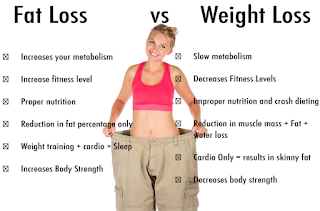
Before you start a new diet, answer these five questions to see if it will help you lose fat. Fat Loss Question 1: Does it make you hungry all day every day? When you’re on a diet, it’s normal to feel the occasional tinge of hunger. Much of those light hunger pangs, however, should be done away with by drinking a glass of water. And if you stay busy enough with life in general, you ought to be able to ignore some other hunger. But if your diet has you feeling hungry at all times, you’re not going to last long. To avoid falling into the pit of hungry despair, go with a diet that lets you eat protein, fiber, and healthy fats. Also, as stated above, drink plenty of water to avoid confusing hunger with thirst. Fat Loss Question 2: Does it force you to drop food groups? A healthy diet is one that incorporates appropriate amounts of food from each food group. When a diet cuts an entire food group from your eating options, you’re going to have a hard time surviving your...

The 4 *WORST* Breakfast Items [Don't eat!]‏‎ 🤮

Image
1. Breakfast pastry: muffins, doughnuts, bear claws, and croissants sure taste good with coffee, but all those refined carbs are going to cause unwanted weight gain. But you knew that, right? 2. Granola Bars: Watch out for the breakfast bars that claim to give you fiber, vitamins, and minerals. Check the number of carbs and sugars on the back of the label - most contain the same sugar as a pastry. That is probably what makes them taste so good (and why you should avoid them like the plague) 3. Cereal: here's another popular breakfast item that has tons of sugar lurking beneath its surface. I think the concept of a "healthy" cereal is one of the BIGGEST lies perpetrated by the health food industry. Carbs upon carbs. 4. Drive-Thru Breakfast Sandwich: Oh please. Don't even think about heading to the drive-thru for a quick breakfast sandwich. You are much better off grabbing a...

(Excessive) Cardio Harms the Heart

Image
10 years ago people called me crazy for warning against the dangers of excessive cardio. It doesn't work, I said, and you'll get overuse injuries that can ruin your life. Well, today, not only am I no longer a lone voice in the wilderness, but major newspapers - like the  Wall Street Journal  - are reporting on studies that show excessive cardio harms the heart. According to the WSJ, research in the The British journal, " Heart ", says: Running 20-25 miles or more per week eliminates the benefit of exercise as you grow older and cause's excessive wear-and-tear on the heart. Of course, exercise ADDICTS will ignore dispute this information, and runners will continue to post "I hate Coach Clarence comments, but the #truth about long slow cardio and running is this... 1) You can get better fat burning results in less time 2) Less exercise = less wear-and-tear on the body, including your heart, skeletal muscles, and yo...

Some thoughts on Nutrition and how you may view food.

Image
"Man does not live by bread alone..." - Matthew 4:4   This may the battle cry of those who insist on dieting. However, without proper planning and a good nutritional guide, a diet is bound to fail and bring down one’s health in the process. Definitely, we should not live to eat, but neither should we live to be a model dress size. There is more to life than how you look and what you eat. When the Bible talks about eating, it is more for the nourishment of the body; and studying is nourishment for the mind. It emphasized both equally, and we should take heed. Dieting is not a bad activity to undertake until we start taking it to the extreme. If that happens, then we’re playing around with our health, and possibly our lives and the people who love us. This may sound trite right now, but regrets usually come too late. Are you willing to take that chance?   How often do we try to fool ourselves by saying we’ll just take small meals, but sneak in junk food in ...

Need a Mood Boost? Eat This.

Image
No question that what you eat can affect how you feel, right? Mental health and brain health are complex. So are the foods we eat, and the ways our bodies interact with those foods.  While, we don't know the exact mechanisms of how food and nutrition help, we know a few ways food impacts our moods. First, what we eat becomes the raw materials for our neurotransmitters. “Neurotransmitters” are biochemical messengers that allow our nerve cells to communicate (ever heard of serotonin?). They are important not just for thinking and memory, but also for mental health. Second, what we eat affects our blood sugar. And having unstable blood sugar levels can contribute to mood swings. Let’s talk about mood-boosting and mood-busting foods. Mood-boosting foods Some nutrient deficiencies look like mental health problems; this includes deficiencies in B-vitamins, vitamin D, and the mineral selenium. So, getting enough vitamins, minerals, (and other things like a...

Healthy Fats and Dangerous Fats

Image
All fat is NOT created equal! Fat is one of the three critical macronutrients; along with protein and carbohydrates. Some fats are super-health-boosting; and, others are super-health-busting.  Health-building fats support your brain, hormones, immune system, heart health, and moods. Health-busting fats pretty much bust all of these (brain, hormones, immune system, heart health, and moods). So, this is why the information I’m sharing today is so important. As a general rule, the fats from whole foods that are the least processed will be the healthiest for you. But, you already knew that, right? So let me give you a definitive list of the fats to use, and the fats to ditch. Health-boosting fats Health-boosting fats are from: ● Nuts and seeds (hemp, flax, and chia) ● Fish ● Seaweed  ● Pasture-raised/grass-fed animals/eggs ● Olives ● Avocados ● Coconuts. I love “virgin” oils, and here’s why. Getting the oil out of a whole food ...

Salt: The Delicious Health-Buster (And What to Use Instead)

Image
Salt: The Delicious Health-Buster (And What to Use Instead) Yes, there are lots of different kinds of salt: pink, iodized, kosher, sea, etc. They come from salt mines in the ground, or from evaporating the water out of salt water. What they all have in common is that infamous mineral that I’m going to talk about below: sodium. In food, salt is used for both flavor, and as a preservative. Salt helps to preserve food by drawing out the water that bacteria and mold need to grow. Hence, preserving the food from spoiling as quickly. Would you be surprised to know that 75% of our salt intake comes not from the salt shaker? It comes from processed foods. Snacks like chips, pretzels and salted nuts are included here. But so are canned foods, pickled foods, boxed foods, deli meats, restaurant food, and fast food. Salt vs. Sodium Salt is actually "sodium chloride." It's about 40% sodium and 60% chloride; this means that one teaspoon of salt (5,000 mg) con...

Keto 101

Image
The ketogenic diet is a very low carb, very high-fat diet. It has recently gained a lot of popularity in the wellness sphere because of some of its health benefits. A ketogenic diet has been shown to help some people lose weight (yes, even with high fat). It can also help improve certain health conditions, like epilepsy in children. Read on for some of the lowdown on how it reprograms your metabolism (for “ketosis”), and whether or not it’s something for you to consider. What is “ketosis?” Carbs (sugars & starches) are the preferred fuel for your brain and muscles. They use carbs first, whenever they’re available. This is why maintaining stable blood sugar can affect your attention, mood, and energy level. However, when very low amounts of carbs are available for fuel, your body starts making compounds known as “ketones.” These are your body’s “backup fuel.” And your body makes them from fat. Ketogenic literally means “the generation of ketones...

Multivitamins: Are They Really a Waste of Money?

Image
Multivitamins are exactly what they sound like: multi ple vitamins . They're supplements that contain several different vitamins in each one. They can also contain several minerals and other ingredients like amino acids or fatty acids. And because there are multiple ingredients, there are low doses of each ingredient. In fact, they are the most commonly used supplements in the world! There are 13 vitamins and at least 16 minerals that are essential to health. You need certain amounts of all of these nutrients for optimal health. In fact, nutrient deficiencies can impact reproduction, growth, and regulation of bodily processes. Lots of people say that if you follow a "balanced diet," you'll get enough vitamins and minerals. I personally would love to believe it … but it's just not true. Many people are eating way too much-processed food that is devoid of nutrition. There's a lot of research that shows many people don't get enough vitami...

The Low Down on Alcohol

Image
Summer for us Arizona people pretty much is in full swing. As you progress along with your diet program, one thing that you may start to wonder about from time to time is alcohol.  Must you really cut all alcohol out of your program if you hope to see the success you’re after? Or, is this something that you can indulge in from time to time and still see the progress that you’re looking for? The key thing to remember about alcohol is that the body will view it as a toxin, so as soon as it enters your system all fat burning is going to come to a stop. It won’t resume until that toxin has made its way through the body so it will slow down the rate of progress you see. The trick to drinking in a manner so that it’s not a considerable hindrance to your results is to choose your alcoholic drinks wisely.  Remember that the calories do still add up, so must be accounted for. Let’s have a look at the primary choices you’ll likely be considering. The very first alcohol b...

These 3 Things will save your diet

Once upon a time, I was on a diet.  Everything was going soooo well.  Then I got hungry. So I ate whatever was convenient...and alas, my diet was no more. :.-( Another time I was traveling and made some bad choices at the airport. Another time I got really busy, then I was starving, and then I overate...by like...a lot. Another time I skipped a bunch of meals and then wound up eating something totally not on my diet because hey, I already missed so many meals so what was the point. Does any of this sound familiar? If so, allow me to introduce you to my three best friends: Raw Veggies, Nuts, and Beef Jerky. With Raw veggies, nuts, and beef jerky it's virtually impossible to screw up on your diet.  They're convenient (zero prep time), they're portable (you can take them anywhere), and they're awesome (no parentheses needed...but I used them anyway).     Nuts are a great source of healthy fat, and they contain a modest amount of protein to...

Food Preservatives

A food preservative is a substance added to foods to make them last longer; to "preserve" them. Preservatives are added to foods that go bad quickly and have found themselves in all kinds of products in our grocery stores.  Preservatives work to preserve food in a few different ways. Some prevent the growth of bacteria and mold. Others prevent delicate fats from going rancid. There are so many preservatives out there. While preservatives added to foods should be “approved,” this doesn’t mean they’re guaranteed to be safe for everyone always. And it doesn’t mean that the food is healthy.  Foods with preservatives are more-processed, less-nutritious foods to begin with - not exactly health foods. So, even if you don’t mind preservatives, you probably should cut down on these kinds of foods, anyway. So, let’s learn more about a few common food preservatives.  Salt That’s right - salt.  FUN FACT: The term “salary” is from the Latin word for salt. It’s thou...

How to Naturally Lower Stress Hormone (Cortisol)

Image
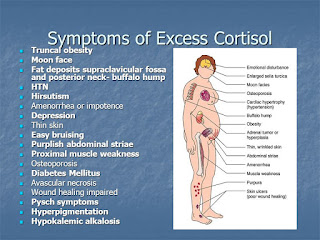
STRESS!!! Its causes are absolutely everywhere. Would you agree? Our natural “fight or flight” stress response can sometimes go a little overboard. It’s supposed to help us escape injury or death in an emergency and then return to normal after we’ve fought or flew. But, that doesn’t happen too much in our society - it becomes a long-term reaction. It becomes chronic. You’ve probably heard of the main stress hormone, called “cortisol.”  It’s released from your adrenal glands in response to stress. It’s also naturally high in the morning to get you going, and slowly fades during the day so you can sleep. Did you know that too-high levels of cortisol are associated with belly fat, poor sleep, brain fog, high blood pressure, high blood sugar, and even lowers your immunity?  Do you experience any of these? Well, then read on because I have a list of foods, nutrients and lifestyle recommendations to help you lower this stress hormone naturally! Foods and nutrients to ...