Posts

How Do I Keep My Blood Sugar Stable?

Oh, the words "blood sugar." Does it conjure up visions of restrictive eating, diabetes medications, or insulin injections? Blood sugar is the measure of the amount of sugar in your blood. You need the right balance of sugar in your blood to fuel your brain and muscles. The thing is, it can fluctuate. A lot. This fluctuation is the natural balance between things that increase it; and things that decrease it. When you eat food with sugars or starches ("carbs"), then your digestive system absorbs sugar into your blood. When carbs are ingested and broken down into simple sugars, your body keeps blood sugar levels stable by secreting insulin. Insulin allows excess sugar to get it out of your bloodstream and into your muscle cells and other tissues  for energy Why keep my blood sugar stable? Your body wants your blood sugar to be at an optimal level. It should be high enough, so you're not light-headed, fatigued, and irritable. It should be...

How Can I Get Enough Vitamin D?

Image
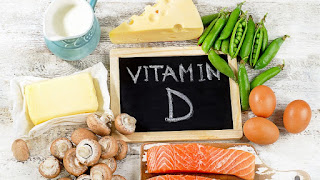
When we think of "vitamins," we know they're super-important for health.   But vitamin D is special. It's difficult to get enough vitamin D; vitamin D is, therefore, a very common deficiency. So, let's talk about how much of this critical fat-soluble vitamin we need, and how you can get enough. The three ways to vitamin D are exposure to the sun, consuming vitamin D containing food, and through supplements. Why is vitamin D important, and how much do we need? Vitamin D helps us absorb calcium from our food and acts like a hormone to help us build strong bones. Vitamin D can also help with immune function, cellular growth, and help to prevent mood imbalances such as depression and seasonal affective disorder. Not getting enough vitamin D can lead to bone diseases like osteomalacia. Inadequate vitamin D can also increase your risk of heart disease, autoimmune diseases, certain cancers, and even death. The "official" minimum amo...

Adrenal Fatigue: What Is It?

Image
Stressed? Tired? Craving sugar? Can’t sleep? All of these can be related to the constant stress we feel in our lives. We know that stress can have a huge impact on our health and wellness. And, since your adrenal glands produce stress hormones, adrenal fatigue (or “HPA Axis Dysregulation,”) is a popular theme lately. Your adrenal glands look like walnuts that live on top of both of your kidneys. These important glands produce many hormones, including stress hormones. But what happens when they become “overworked?” You’ve heard of “adrenaline junkies,” right? Adrenaline and cortisol are the stress hormones that give you the commonly known adrenaline rush; when you're totally alert and living in the moment. This feeling is known as your body's "fight or flight" response. Some people (perhaps you?) just love that intense feeling. The release of hormones in the fight or flight response is your body's normal reaction to stress.  Stress ...

The Gut-Brain Connection: How To Feed Your Brain

Image
 If there was ever a call for "digestive health," this is it! Yes, it's true. Your gut is considered your "second brain." There is no denying it anymore. And because of the new scientific discoveries about the vagus nerve, the enteric nervous system, and the amazing influence your gut microbes can have, it's no wonder what you eat feeds not only your body but can directly affect your brain. I find it amazing (but not too surprising). What exactly is the "gut-brain connection." Well, it’s very complex, and to be honest, we’re still learning lots about it! There seem to be multiple things working together.  Things like: ●  The vagus nerve that links the gut directly to the brain; ●  ●  The “enteric nervous system” (A.K.A. “second brain) that helps the complex intricacies of digestion flow with little to no involvement from the actual brain; ●  ●  The massive amount of neurotransmitters produced by the gu...

The Coconut Oil Craze - Should I Jump on the Bandwagon Too?

Image
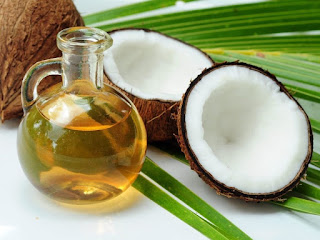
Yes, you should (end of post). But what exactly  is it about coconut oil that makes it so healthy? And which type is best? Let’s dive into some of the fascinating research and find out. Coconut oil is a special kind of fat Coconut oil is fat and contains the same 9 calories per gram as other fats. It is extracted from the "meat" of the coconut. Coconut oil is a white solid at room temperature and easily melts into a clear liquid on a hot day. The idea of adding coconut oil to your diet is NOT to add on to what you already eat but to substitute it for some of the (possibly) less healthy fats you may be eating now. And here’s why - Because not all calories or fats are created equal. Coconut oil contains a unique type of fat known as “Medium Chain Triglycerides” (MCTs). In fact, 65% of the fat in coconut oil are these MCTs. What makes MCTs unique is how your body metabolizes them;  they're easily absorbed into the bloodstream by your gu...

The Truth Behind Artificial Sweeteners

Image
You probably know the negative health effects of eating too much sugar, especially "added sugars" like in soda pop, candy, baked goods, and many commercially-available cereals, just to name a few.  Added sugar is hiding just about everywhere in the grocery store. Yes, ingesting refined sugar spikes your blood sugar and insulin, and increases your risk for a whole host of issues.  A while ago, one of the food industry’s responses to the demand for lower-calorie foods that still taste great, was artificial sweeteners. The idea behind them is that you can still get the sweetness, without the calories; like when you have a “diet pop” versus a regular one. Theoretically, this was going to help people maintain a healthy body weight, and hopefully not increase anyone’s risk of heart disease, diabetes, or obesity. But, it doesn’t always work out the way we think it will... Types of artificial sweeteners Sugar substitutes fall into several categories, but what they all...

Raw vs. Cooked - Which Contains More Vitamins and Minerals?

Image
Let’s finally put an end to the debate of raw vs. cooked. Of course, in the grand scheme of a well-balanced, nutrient-dense, varied, whole foods diet, the cooked vs. raw debate isn't that  critical for most people. Where this can become a consideration is for vitamin and mineral deficiencies (or "insufficiencies"). These may be due to digestion or absorption issues, or avoidance of certain foods (due to allergies, intolerances, or choice). And I'll tell you that the answer isn't as simple as "raw is always better" or "cooked is always better."  As with most nutrition science, it depends on several factors. Some vitamins are destroyed in cooking, while others become easier to absorb (a.k.a. more "bioavailable"). Here is the skinny on vitamins and minerals in raw foods versus cooked foods.   Foods to eat raw As a general rule, water soluble nutrients, like vitamin C and the B vitamins, found mostly in frui...