Posts

Protein - How Much is Enough?

Image
Protein is not just for great skin, hair, and nails; it's critical for health. Without it, you wouldn't be able to repair damage, digest food, fight infections, build muscle and bone, create hormones, and even think and have good moods. Higher protein diets can help fight high blood pressure, diabetes, and osteoporosis. Not to mention protein's great benefits for metabolism boosting, satiety (feeling full after a meal), and weight management. Protein is important, and this is a given. There are a few factors to consider when calculating how much protein we need. I go through those calculations with you. Then I list the amount of protein in some common foods. How much protein is enough There isn’t a real rule that applies equally to everyone. There are a few factors to consider when figuring out how much protein you need. Start with the minimum recommendation of 0.8 g/kg (0.36 g/lb) per day. So, for a 68 kg (150 ...


Need a Mood Boost? Eat This.

Image
No question that what you eat can affect how you feel, right? Mental health and brain health are complex. So are the foods we eat, and the ways our bodies interact with those foods.  While, we don't know the exact mechanisms of how food and nutrition help, we know a few ways food impacts our moods. First, what we eat becomes the raw materials for our neurotransmitters. “Neurotransmitters” are biochemical messengers that allow our nerve cells to communicate (ever heard of serotonin?). They are important not just for thinking and memory, but also for mental health. Second, what we eat affects our blood sugar. And having unstable blood sugar levels can contribute to mood swings. Let’s talk about mood-boosting and mood-busting foods. Mood-boosting foods Some nutrient deficiencies look like mental health problems; this includes deficiencies in B-vitamins, vitamin D, and the mineral selenium. So, getting enough vitamins, minerals, (and other things like a...
Image
How Much Sugar is Too Much? It’s official! Organizations and governments are (finally) declaring a maximum amount of daily sugar intake. While this is a step forward, there are still a few problems. One - they don’t all agree with each other. And, too, I don’t necessarily agree with them either. We all know sugar is NOT a health food. It isn’t full of nutrition, and excess consumption is not associated with great health. The problem is that sugar is everywhere. It’s naturally occurring. It’s also added to just about every processed food there is. And this “added sugar” is a factor in many chronic diseases we see today. Sugar is inflammatory. Too much is associated with weight gain, diabetes, heart disease, cancer, and cavities. Too much sugar is a huge health risk, no matter how you look at it. So let’s talk about how much sugar is “too much.” Added sugar vs. naturally occurring sugar. What do some of the officials say? Before we talk about the “offic...

Healthy Fats and Dangerous Fats

Image
All fat is NOT created equal! Fat is one of the three critical macronutrients; along with protein and carbohydrates. Some fats are super-health-boosting; and, others are super-health-busting.  Health-building fats support your brain, hormones, immune system, heart health, and moods. Health-busting fats pretty much bust all of these (brain, hormones, immune system, heart health, and moods). So, this is why the information I’m sharing today is so important. As a general rule, the fats from whole foods that are the least processed will be the healthiest for you. But, you already knew that, right? So let me give you a definitive list of the fats to use, and the fats to ditch. Health-boosting fats Health-boosting fats are from: ● Nuts and seeds (hemp, flax, and chia) ● Fish ● Seaweed  ● Pasture-raised/grass-fed animals/eggs ● Olives ● Avocados ● Coconuts. I love “virgin” oils, and here’s why. Getting the oil out of a whole food ...

5 Natural Ways to Deal with Bloating

Image
Do you ever feel a bit “overextended” in the belly after a meal? Perhaps “gassy?” Have you ever carried a “food baby?” Well, bloating is common. Up to 25-30% of people experience it regularly. It happens when you have trouble digesting. The symptoms come from excess gas, reactions to foods, or food not moving through you as well as it could. There are many reasons you might experience these symptoms. Maybe because of a serious condition (disease), or a food allergy or intolerance (what you eat). It can also result from how you eat. If you have a serious digestive issue like IBS (Irritable Bowel Syndrome), then make sure you eat accordingly. Same goes if you know certain foods give you gas. Simply avoid them. If you’re already doing those things, and still experience bloating, here are some great tips for dealing with it naturally. 1 - Don’t overeat If you overeat at a meal, then you’ll feel bigger around the mid-section. You’ll feel ...

Why Am I Always Hungry?

Image
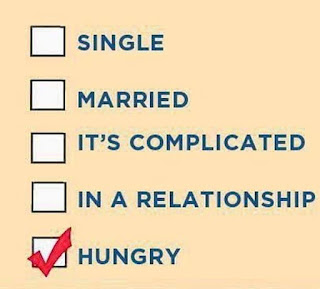
If you often feel hungry, you are not alone! There are many reasons to feel hungry. Of course, the most obvious one is that you are actually physically hungry. Perhaps your stomach is empty, your blood sugar has dropped, and your hunger hormones are having a party. But other times, the hunger may not be physical hunger. It may be a craving or an emotional trigger. These are common reasons why some people eat too much. It could be brought on by a certain type of diet, stress, or other things going on in life. It’s easy to mistake “psychological” hunger for “physical” hunger. I’m going to talk about the difference between both of these types of hunger, and give you some tips on how to figure out which is which. And, of course, I will give you a very filling recipe too! Physical hunger vs. psychological hunger Your "physical" hunger is regulated by the body through your hunger hormones. And of course, it should be. You don't want to be completely drained of...

Salt: The Delicious Health-Buster (And What to Use Instead)

Image
Salt: The Delicious Health-Buster (And What to Use Instead) Yes, there are lots of different kinds of salt: pink, iodized, kosher, sea, etc. They come from salt mines in the ground, or from evaporating the water out of salt water. What they all have in common is that infamous mineral that I’m going to talk about below: sodium. In food, salt is used for both flavor, and as a preservative. Salt helps to preserve food by drawing out the water that bacteria and mold need to grow. Hence, preserving the food from spoiling as quickly. Would you be surprised to know that 75% of our salt intake comes not from the salt shaker? It comes from processed foods. Snacks like chips, pretzels and salted nuts are included here. But so are canned foods, pickled foods, boxed foods, deli meats, restaurant food, and fast food. Salt vs. Sodium Salt is actually "sodium chloride." It's about 40% sodium and 60% chloride; this means that one teaspoon of salt (5,000 mg) con...