Posts

These 3 Things will save your diet

Once upon a time, I was on a diet.  Everything was going soooo well.  Then I got hungry. So I ate whatever was convenient...and alas, my diet was no more. :.-( Another time I was traveling and made some bad choices at the airport. Another time I got really busy, then I was starving, and then I overate...by like...a lot. Another time I skipped a bunch of meals and then wound up eating something totally not on my diet because hey, I already missed so many meals so what was the point. Does any of this sound familiar? If so, allow me to introduce you to my three best friends: Raw Veggies, Nuts, and Beef Jerky. With Raw veggies, nuts, and beef jerky it's virtually impossible to screw up on your diet.  They're convenient (zero prep time), they're portable (you can take them anywhere), and they're awesome (no parentheses needed...but I used them anyway).     Nuts are a great source of healthy fat, and they contain a modest amount of protein to...
Food Preservatives

A food preservative is a substance added to foods to make them last longer; to "preserve" them. Preservatives are added to foods that go bad quickly and have found themselves in all kinds of products in our grocery stores.  Preservatives work to preserve food in a few different ways. Some prevent the growth of bacteria and mold. Others prevent delicate fats from going rancid. There are so many preservatives out there. While preservatives added to foods should be “approved,” this doesn’t mean they’re guaranteed to be safe for everyone always. And it doesn’t mean that the food is healthy.  Foods with preservatives are more-processed, less-nutritious foods to begin with - not exactly health foods. So, even if you don’t mind preservatives, you probably should cut down on these kinds of foods, anyway. So, let’s learn more about a few common food preservatives.  Salt That’s right - salt.  FUN FACT: The term “salary” is from the Latin word for salt. It’s thou...

How to Naturally Lower Stress Hormone (Cortisol)

Image
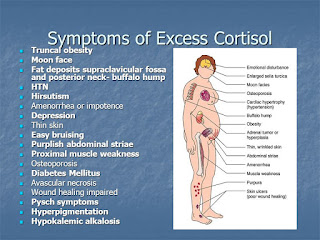
STRESS!!! Its causes are absolutely everywhere. Would you agree? Our natural “fight or flight” stress response can sometimes go a little overboard. It’s supposed to help us escape injury or death in an emergency and then return to normal after we’ve fought or flew. But, that doesn’t happen too much in our society - it becomes a long-term reaction. It becomes chronic. You’ve probably heard of the main stress hormone, called “cortisol.”  It’s released from your adrenal glands in response to stress. It’s also naturally high in the morning to get you going, and slowly fades during the day so you can sleep. Did you know that too-high levels of cortisol are associated with belly fat, poor sleep, brain fog, high blood pressure, high blood sugar, and even lowers your immunity?  Do you experience any of these? Well, then read on because I have a list of foods, nutrients and lifestyle recommendations to help you lower this stress hormone naturally! Foods and nutrients to ...

Common Weight Loss Myths Busted

Image
Weight loss advice is so common (and contentious) now. There are competing opinions everywhere. I say, forget about "who's right" and let's focus on "what's right." Because what gets results is what I'm focusing on in this post. I respect you too much to make empty promises and try to sell you on something that doesn’t work. There are too many weight loss myths out there. I’m going to tackle the top ones I come across in my practice. Myth: Calories cause weight gain, and fewer calories are the path to weight loss Calories are important for weight loss. If you eat and absorb a ton more than you use, then your body’s wisdom will store some for later. Calories matter. But, they are not the “be-all and end-all" of weight loss; they're important, but they're the symptom, not the cause. Let's think about the reasons people eat more calories. Let's focus on the causes. People eat too many calories, not because they'r...

How to Read the New Nutrition Facts Tables

Image
The Nutrition Facts table is on the side of most packaged foods. It’s often found close to the ingredient listing. The purpose of it is to help consumers make better nutrition decisions. When people can see the number of calories, carbs, sodium, etc. in food, they should be able to eat better, right? Whether you like the Nutrition Facts table or not, let’s make sure you get the most out of it, since it’s here to stay! Here’s my four-step crash course on reading the Nutrition Facts table. Step 1: Serving Size The absolute most important part of the Nutrition Facts table is to note the serving size. Manufacturers often strategically choose the serving size to make the rest of the table look good. Small serving = small calories/fat/carbs. So, it's tricky. All the information in the table rests on the amount chosen as the serving size. And, since every manufacturer chooses their own, it’s often difficult to compare two products. In Canada, in the next ...

Three Must Eat Breakfast Foods

Image
Three M ust E at B reakfast F oods   Do you love your breakfast?  Do you have a short list of “go-to” recipes?  Do you need a bit of inspiration to start eating breakfast again? Getting some protein at each meal can help with blood sugar management, metabolism and weight loss.  This is because protein helps you feel fuller longer and uses up a bunch of calories to absorb and metabolize it.  So I'm going to show you how to get the protein, as well as some veggies and healthy fats for your soon-to-be favourite new “go-to” breakfasts. Breakfast F ood #1: Eggs Yes, eggs are the “quintessential” breakfast food.  And for good reason! No, I'm not talking about processed egg whites in a carton.  I mean actual whole “eggs”.   Egg whites are mostly protein   while the yolks are the real nutritional powerhouses.  Those yolks contain vitamins, minerals, antioxidants, and healthy fats. Eggs have been shown to help you fee...

Why is my Metabolism Slow

Image
Why is My Metabolism Slow? You may feel tired, cold or that you've gained weight.  Maybe your digestion seems a bit more “sluggish”. You may be convinced that your metabolism is slow. Why does this happen?  Why do metabolic rates slow down? What can slow my metabolism? Metabolism includes all of the biochemical reactions in your body that use nutrients and oxygen to create energy.  And there are lots of factors that affect how quickly (or slowly) it works, i.e. your “metabolic rate” (which is measured in calories). But don't worry – we know that metabolic rate is much more complicated than the old adage “calories in calories out”!  In fact it's so complicated I'm only going to list a few of the common things that can slow it down. Examples of common reasons why metabolic rates can slow down: ●      low thyroid hormone ●      your history of dieting ●      your size and...